This Group serves in a voluntary
discipline to conserve natural
resources –
endangered species and threatened habitats.
It has been responsible for leading
the Bustard conservation since 1979 when it hosted the first ever International
Symposium on
Bustards
(1, 2,
and 3
November 1980 at Jaipur).
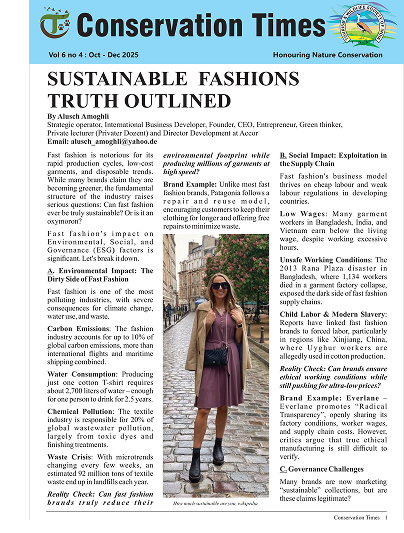
This group brings out Conservation Times. It is edited by editors spread all over the world
(see its last page). It is
circulated once in three months since 2020. It is in service of wilderness conservation. Any
one desirous to
write for it may contact: indianbirdfair1@gmail.com
(www.econservationtimes.com)
The group brings out conservation centric publications regularly like: Bustards In Decline (Paul D. Goriup and Harsh Vardhan), Ranthambhore Pug-Marks (Harsh Vardhan and T.K. Bapna), Checklist of Birds of Keoladeo National Park (Harsh Vardhan), Birds of Periyar (Andrew Robertson), House Sparrows (for MGD Girls’ School), Common Birds of Man Sagar and Jaipur (Harsh Vardhan), House Sparrows (Sudarshan Sharma), Birds of KC Kulish Park (Govind Yadav), Great Himalayan National Park (Nishant Nath Shukla and Naveen Kumar Singh), Jhalana – Land of Leopards (Surendra Chouhan, published by TWSI), and Butterflies’ Ecosystem. Their e-copes are available..
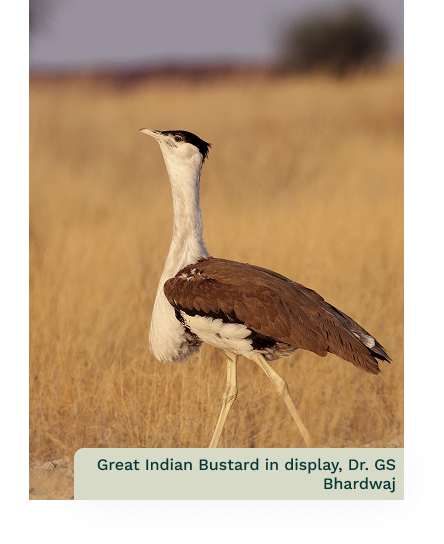
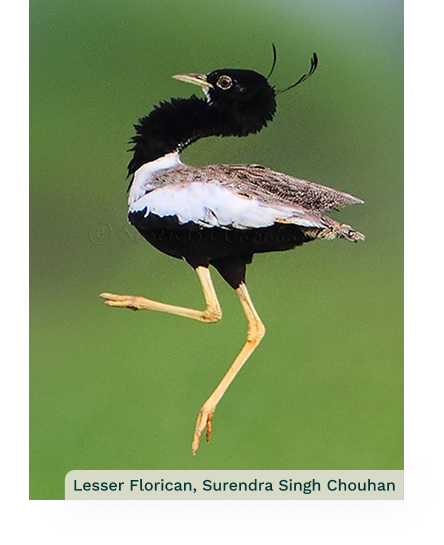
Today less than 100 Great Indian Bustards are left in the wild and 95% are located in Jaisalmer region (India’s Thar Desert). After pleas made for about four decades, the Government at long last has commenced in 2019 ex-situ breeding of Great Indian Bustard. Chicks available are to be reintroduced in wild to step up population of this critically endangered species. Lesser Florican, another Bustard species, is receiving likewise attention – ex situ breeding at Shonkaliya (Ajmer region, India).
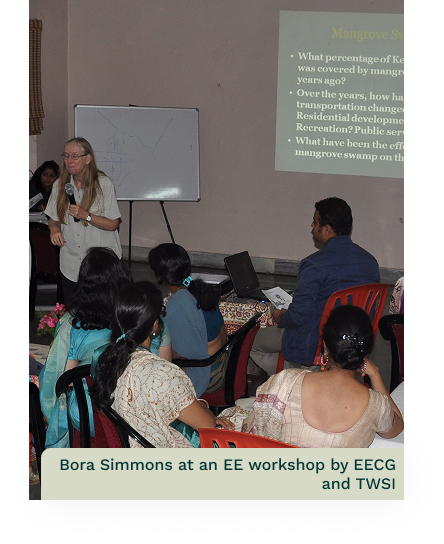
Holding international and domestic workshops to impart EE to school teachers, students and others, often supported by EECG (Edward J. Mc Crea, Heather, Brad, Bora Simmens, Manoj Sharma, etc).
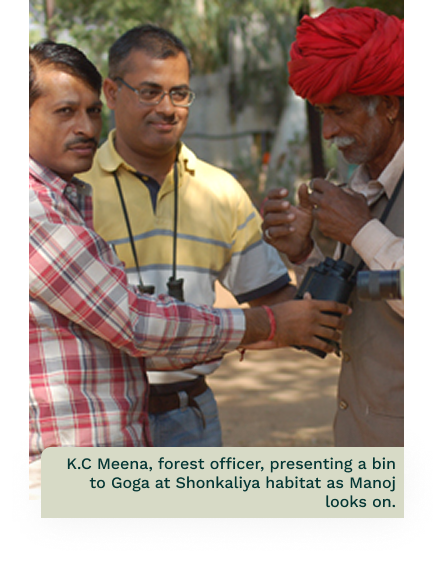
The ideal way out – sustainable ways of living with Nature. This group has caused examples like khaki uniforms given to Ranthambhore Tiger Reserve employees, RSPB and OPTICRON binoculars gifted to forest guards, nature escorts, guides etc.
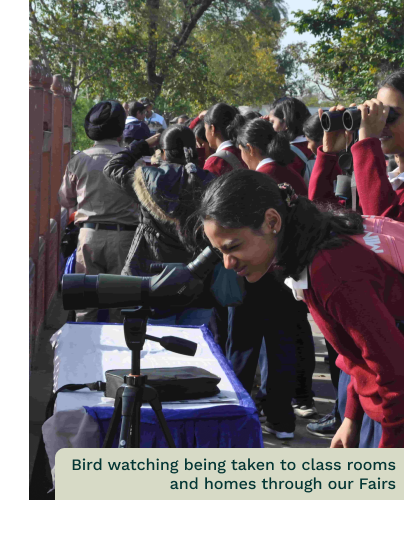
Commenced in 1997, with the sole objective of conserving Man Sagar lake (Jaipur, India), it is an annual event and the main conservation plank for a large number of young and budding conservationists. It is Citizens’ Initiative. This group is proud to be its author and organizer.
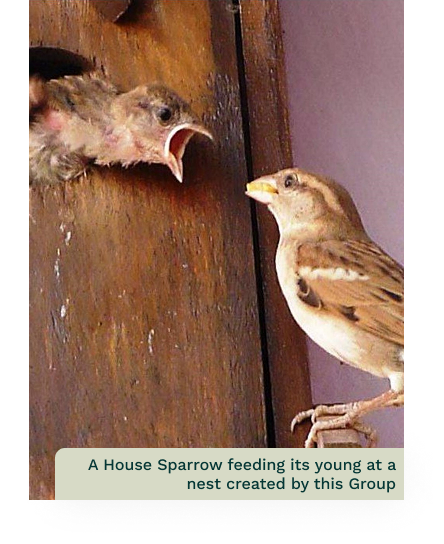
To check declining population of this house hold bird, Nest Boxes have been created which people use at homes. As a result, a few thousand sparrows are recruited across the urban landscape of Jaipur. A book is done and dedicated to MGD Girls’ School.
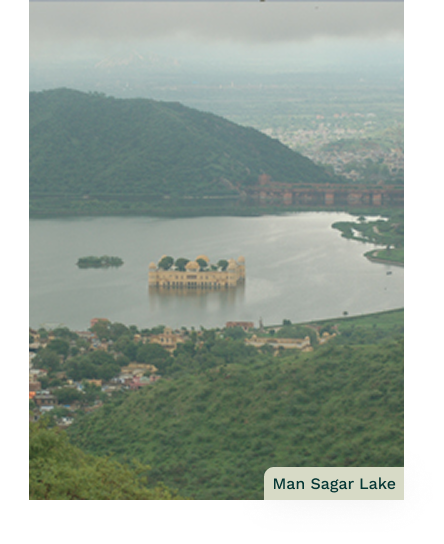
More than 400-year old Man Sagar, a scenic heritage lake north of Jaipur, has been restored (2003-09) beyond imagination. TWSI’s annual Indian Birding Fair is held at this lake since 1997.
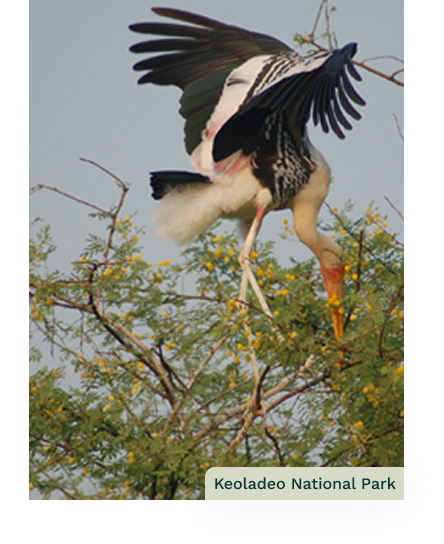
As flowing water was denied to this renowned wetland of international repute (2004-05), this Group sued the Government before the Supreme Court of India (CEC Report). A new pipe-line was laid out to let flowing water flow in to the park.
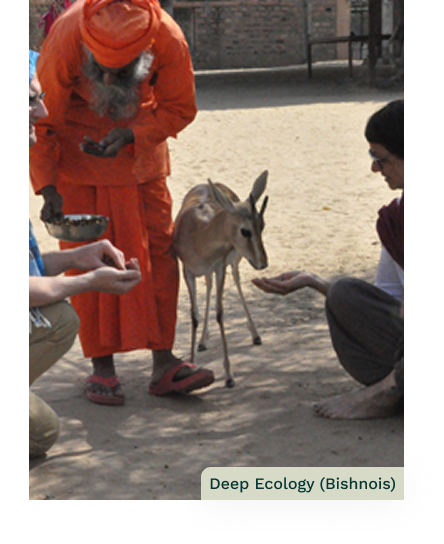
Eulogizing what Bishnoi people started practising during the 15th century in the Thar Desert to uphold conservation values, this Group is trying to re-designate their most outstanding ethos: “sir santhe roonkh rehe to bhi sasto jaan” (a tree saved at cost of one’s head be treated as a cheap deal).
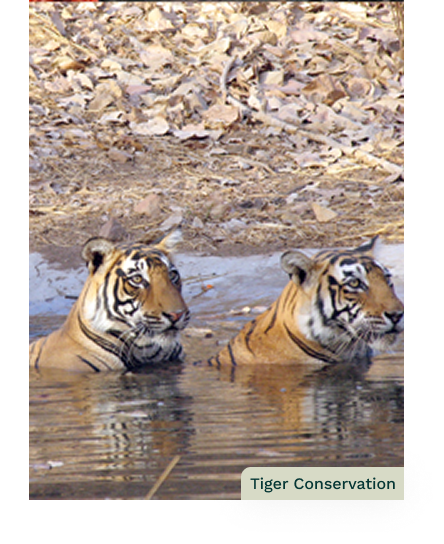
Rs 79.7 billion has been the ‘flow benefit’ from 6 Tiger Reserves (Corbett, Kanha, Kaziranga, Periyar, Ranthambhore and Sundarbans), as per an IIFM Study. Tiger gives all this to people. Yet Tiger, in a way, gets nothing. This group is involved in a challenging task to let stake holders receive their long awaited dues from tiger tourism.
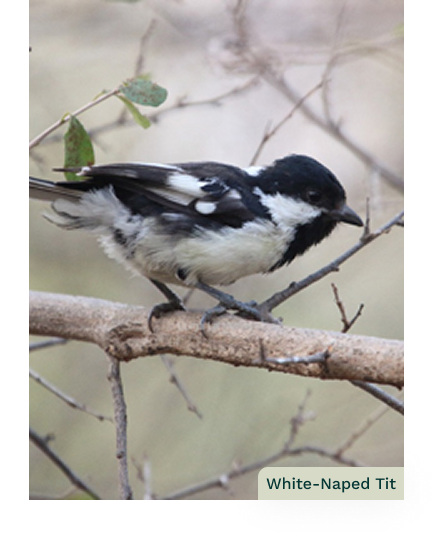
The bird is observed at a few places across India including at Nahargarh forest, north of Jaipur, where its breeding facilities are being created. Another population is in Udaipur region, and in Haryana (Kund and near Rewari).